My Side-Project-Driven Career Journey in Review
A look into the stories behind my side projects, the lessons learned, and how I've benefited from them
August 06, 2020
Working on side projects is a great way to practice and learn new skills. There are many articles about the benefits of working on side projects. In this article, I'm going to take a different approach. I'll dive into a few of the side projects that I've worked on and the skills and opportunities they resulted in. Hopefully, some of you can relate, get inspired, or be entertained.
Poppit (2013)
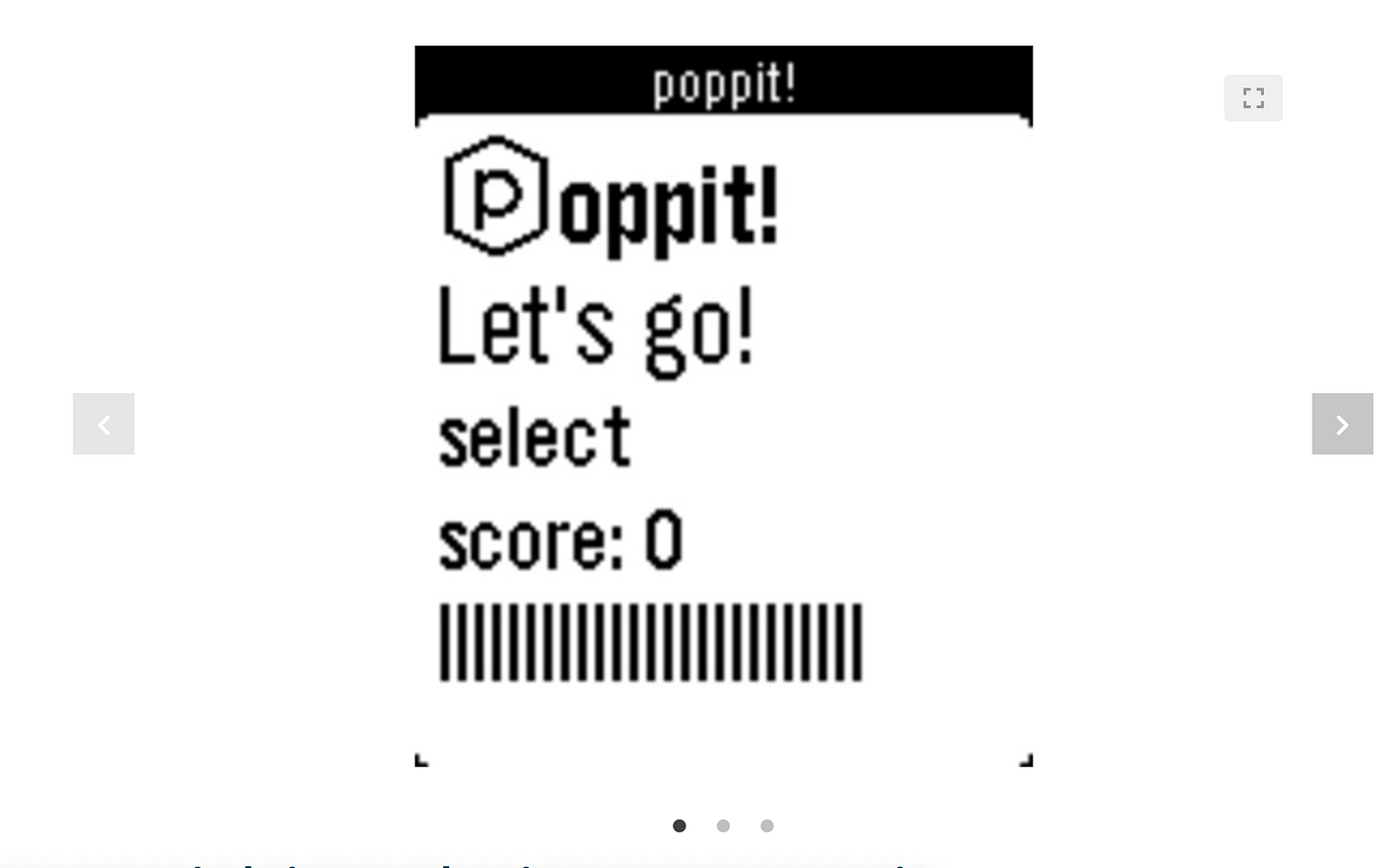
Poppit was my first attempt at building something at a hackathon. It was a game for Pebble watches where, to advance, the user had to press buttons within a certain time.
Background
When I started college, I had no idea what programming was. All I had was my curiosity, persistence (and good looks, of course). I kept looking for ways to practice my skills. Then one day I saw a post in a Major League Hacking Facebook group about a bus going to Canada for Hack The North, Canada's biggest hackathon. I didn't even know what a hackathon was, but I was ready to try it. They had my attention at "Free food and swag."
On the bus ride to the hackathon, I met a lot of smart kids with interesting ideas and impressive portfolios of side projects. I felt like I was on a bus full of young tech CTOs and CEOs. After having a few discussions, it was obvious that these kids seemed smart because they had been getting a lot of practice from hackathons and working on side projects.
At the hackathon, I formed a team with a group of kids I met on the bus. We decided to build a game for the Pebble smartwatch since it was hot at the time. (This is before Apple and Android watches were hot, kids!) The SDK we used was in JavaScript. At the time, the only language I knew was Java, but we were able to pull it off with the guidance of some engineers from Pebble. We were able to submit our project on time and demoed to Sam Altman.
We didn't win any prizes at this hackathon, but this was a pivotal moment in my life. I experienced what it felt like to build for fun and found a high that I would be chasing for the rest of my life.
Outcome
- I made a lot of friends that inspired me to improve my skills.
- I learned how to use JavaScript and the Pebble SDK.
Calctus (2014)
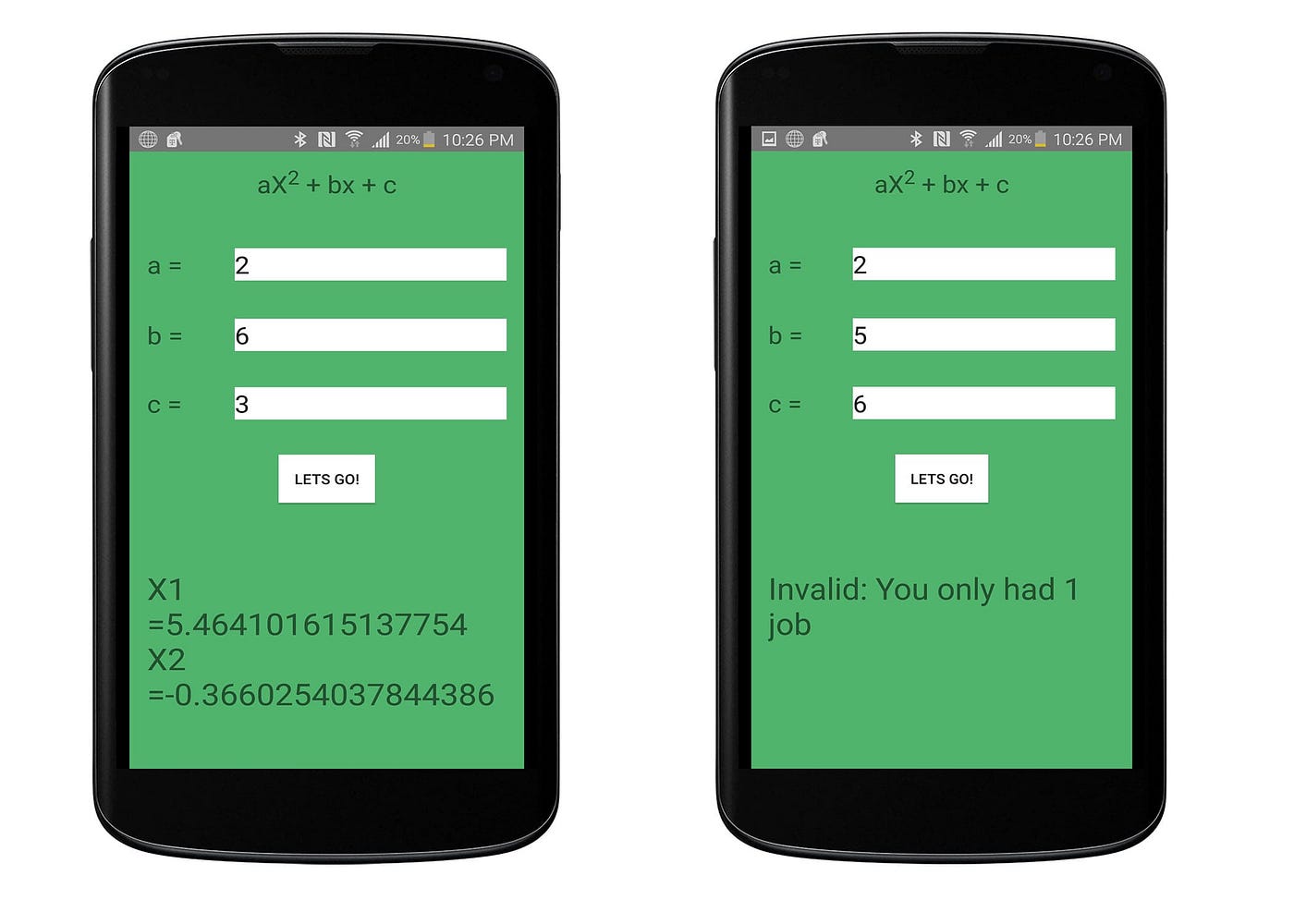
Calctus was an Android app to help solve commonly used math equations.
Background
After the hackathon, I was in search of a way to build something cool with what I knew. "Hello World" and command-line applications were cool, but I wanted something I could brag about to my non-techie friends. At the time, the only language I knew was Java, so I searched around and found out I could use Java to build Android applications.
I ended up finding out about Treehouse through one of the friends I met at the hackathon. I loved the style of the tutorials. It was a perfect combination of videos, questions, and coding challenges. I followed them and finished their Android development course.
Throughout the course, I built a story and a weather app. I wanted to build something without going through, and that's how Calctus came about. It was an app I built for myself to solve quadratic and other common equations.
I didn't publish it in the app store, but I was taking a lot of math classes at the time, so I had it on my phone and used it to study and do my homework whenever I could. I also shared it with my friends and iterated on it with the feedback I received.
Fast forward a few months later. I interviewed for an intern position at Walmart. I got the gig and was very happy. Guess what the intern project was? Android app development! The project was to build a voice-enabled app for associates in the store.
I hadn't done much with voice recognition, but my knowledge in Android development brought great value to my intern team. We were able to crank out an MVP quickly because of my Android development skills. We completed the project on time to test it in some stores and got great feedback, which led to a full-time position after college.
This was my first taste of a win enabled by a side project. I believe I could have still landed the full-time role, but the prior knowledge I had from my first side project enabled me to perform at a high level. I was very excited and inspired to pursue more side projects.
Outcome
- I learned how to build Android applications.
- This skill I learned from this project helped me secure a full-time gig at Walmart after my internship.
- This was a fun project I was proud at the time to show to my friends, and it helped me do my math homework quickly.
POSH (2015)
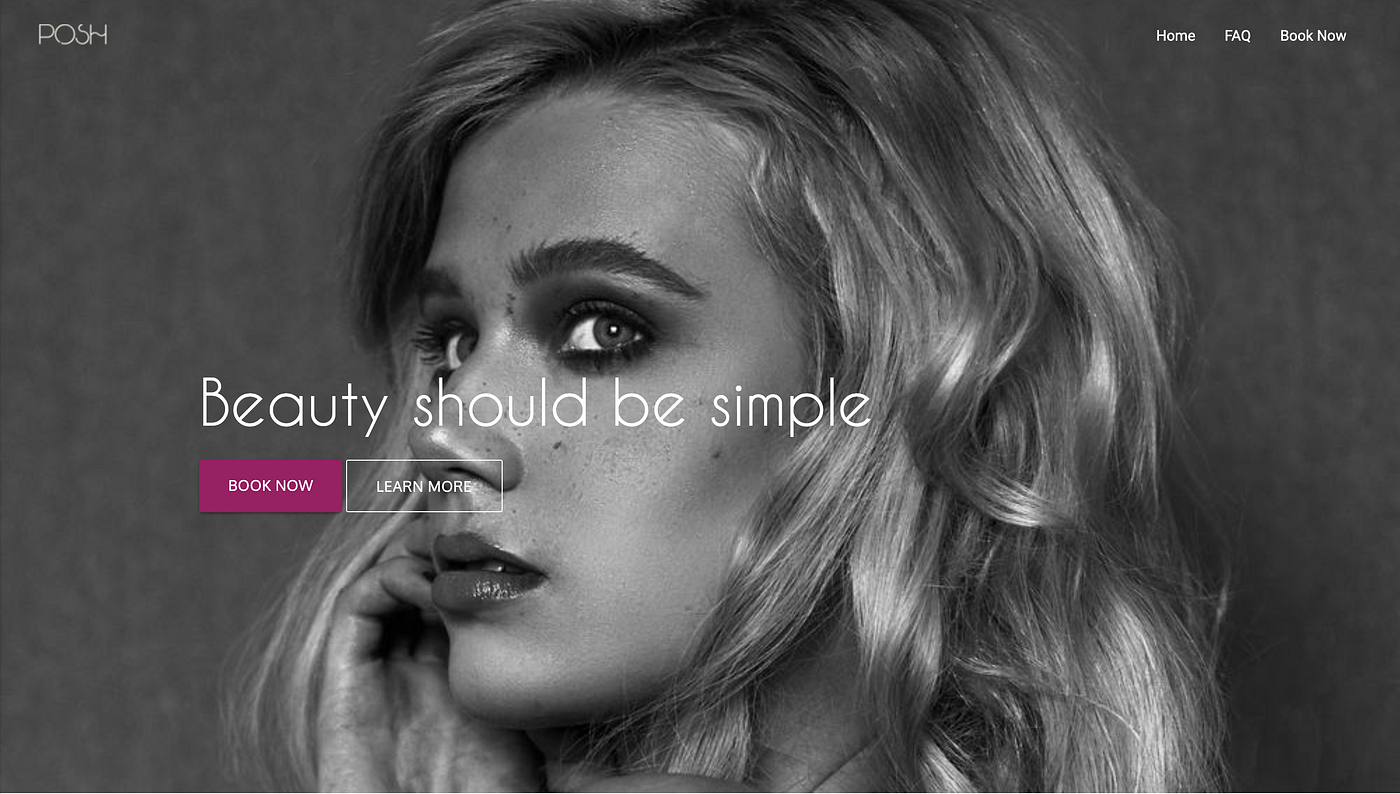
POSH was a makeup concierge service where clients could conveniently book a makeup artist for any occasion.
Background
I worked on Posh with Nathalyn Nunoo, who was a makeup artist when we were in college. Anytime I picked her up from a gig, we would discuss the inefficiencies of the market. Like most freelance markets, the knowledge gap between the service provider and the clients was wide. This leads to problems like the client underestimating the time and cost of the service, makeup artists not being paid on time, or clients just booking the wrong person.
After a few discussions, we decided to start working on a concierge service for makeup artists. We named it POSH and purchased the domain makemeposh.com. Our MVP was basically a Typeform linked to a landing page with questions on what the customer wanted and booking information. Our promise was that we would send you the best makeup artist in your area for your needs.
We got booked for more gigs, ranging from runway shows and photoshoots to wedding parties and individuals who wanted to get glammed up for a date. It was a very lean operation and was cashflow-positive in a short time.
A friend I met on the bus from Hack the North introduced us to Startup Shell, a student-run incubator at the University of Maryland. We applied and got into the incubator after pitching with our landing page.
In the incubator, we got access to great mentorship and a cool list of resources to boost our project. Apart from growing our project, we built a lot of great relationships that have been beneficial to my career to this day. I also secured a gig from my college job at the time to build a scheduling system for employees at the IT support call center. The only thing that gave them the confidence to hire me for the gig was my previous side projects.
Outcome
- I made a little money — not a lot, but it was exciting to know that there were people willing to pay for a service I built.
- I learned how to deal with users and was able to apply some of the design thinking principles that I learned from college classes.
- Through this project, I was able to secure a gig to help build a scheduling system for employees at the Department of IT at UMD.
Compair (2017)
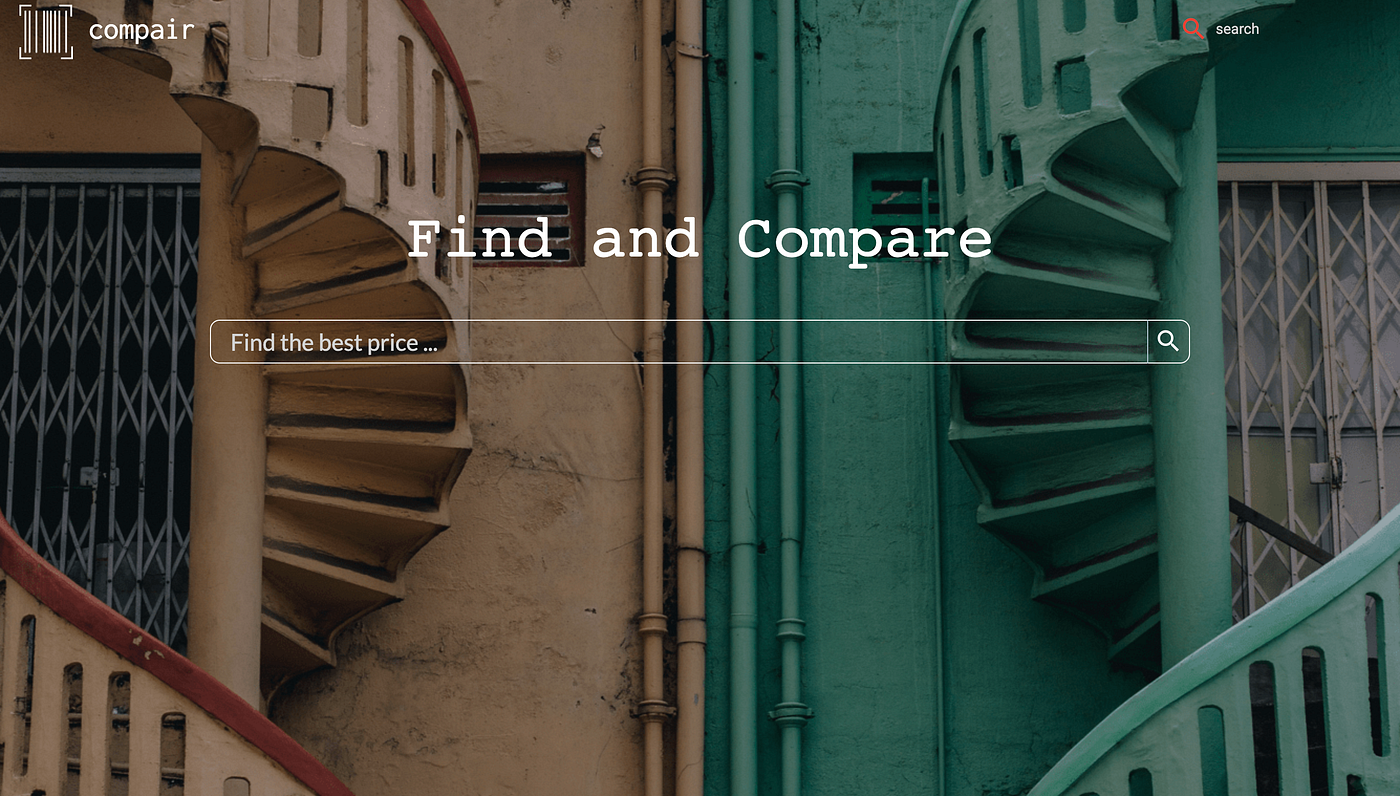
Compair was a web app to compare Amazon and Walmart prices.
Background
I worked on Compair with Esayas Andom. We basically built a web app to search Walmart and Amazon for products. It was a play on the word compare since we wanted to build an easy way to compare prices on both marketplaces. We didn't have the intention of launching this commercially. We had just heard about React and used this side project to learn and put our React skills in practice.
The search was powered by Amazon and Walmart public APIs. I wasn't very strong in JavaScript at the time, but this project made me fall in love with JavaScript. Compared to the verbose Springboot Java applications I was writing at my day job, JavaScript was just way more fun.
I came out of this project stronger in JavaScript, React, and NodeJS. This set the foundation for the rest of my side projects. We were also able to secure a freelance contract with the skill we learned from this project.
Outcome
- Had a lot of fun working with Esayas Andom on this.
- I fell in love with React and it became one of my favorite front-end frameworks.
- Esayas and I used the skills acquired on Compair to work on a freelance gig.
Fedup.co (2019)
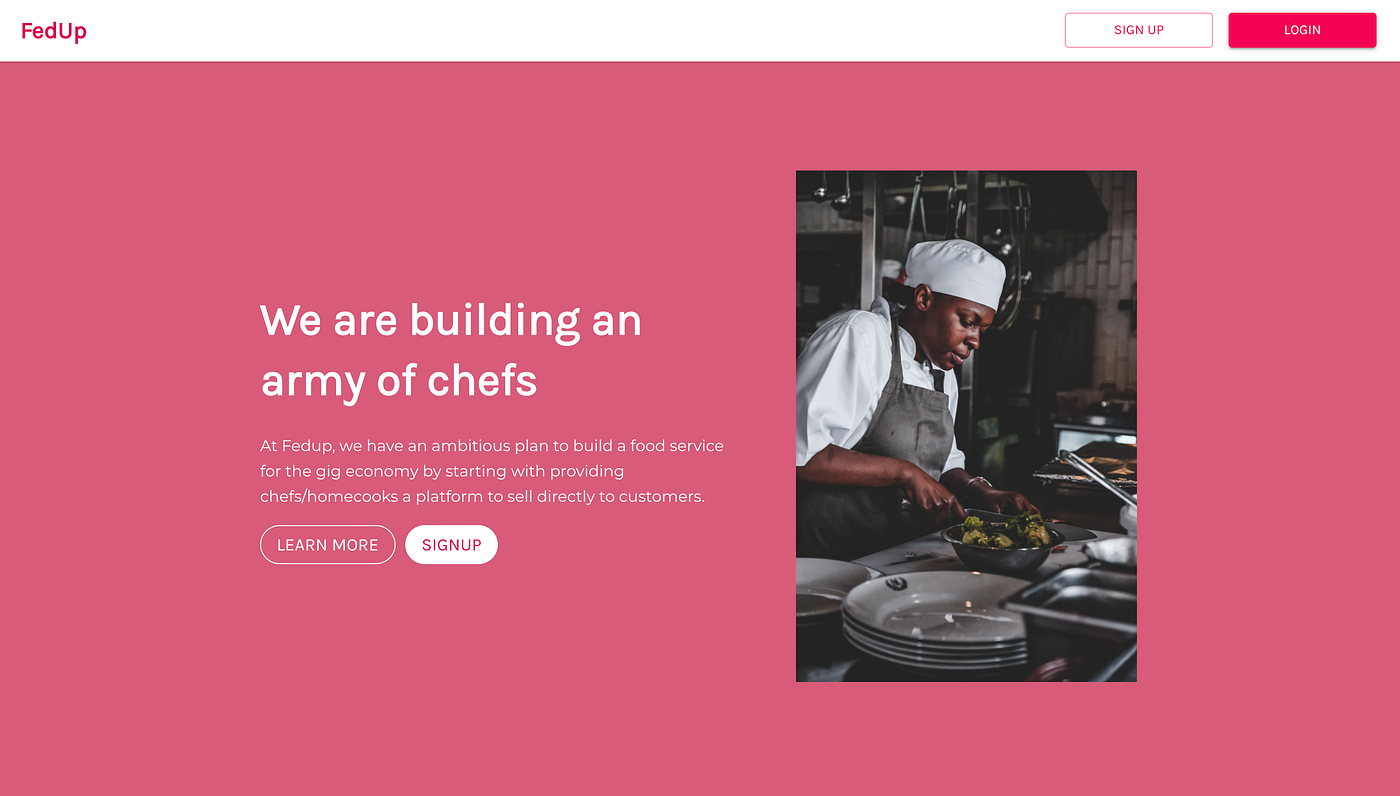
Emmanuella Aninye and I saw a gap in foodservice software when we realized the surge of home cooks and chefs selling food directly on Instagram. To order, you would have to send them a DM, and depending on the chef, the process could get very chatty.
With Fedup, the chefs can create an account, set up a menu with pictures, and share the link with clients to order. This makes it easy for clients to order and chefs to manage their orders in one place.
After some late nights, user research using The Mom Test, and lessons from Startup School, we deployed our MVP. We had a few users in no time, thanks to an aggressive Instagram DM campaign led by Emmanuella Aninye. The feedback we got from chefs was mostly positive. They were very excited, and they were surprised we were providing this service for free.
Honestly, we just wanted a way to get our African food quicker. We currently have over 90 chefs across the country using Fedup to accept orders and working to expand the platform to a legitimate food marketplace where users can find good homecooked food in their area. Even if it is not in your area, some chefs are willing to ship.
Outcome
- We made a lot of good friends in the culinary industry.
- We learned a lot about gathering user feedback and doing user research.
- We had fun getting invited and attending culinary events to interact with chefs.
- I became better at building GraphQL APIs and with React, and I got a job offer from this knowledge, even though I have never used these skills professionally.
Conclusion
Side projects are a great way to improve your skills, make some extra cash, or scratch an itch. Not everyone has the chance to work on side projects, but if you do, stop standing poolside wondering whether the water is nice, and dive in!
I hope my story is helpful to anyone who is on the fence about working on a side project.
Thanks for reading!